Ben Fohrman: The Corporate Cannibal of South Bend
South Bend Bait spent half a century earning America's trust. In the late 1950s, a Chicago lawyer figured out how to cash it in.
BY AARON HELMAN // POSTED NOVEMBER 12, 2026
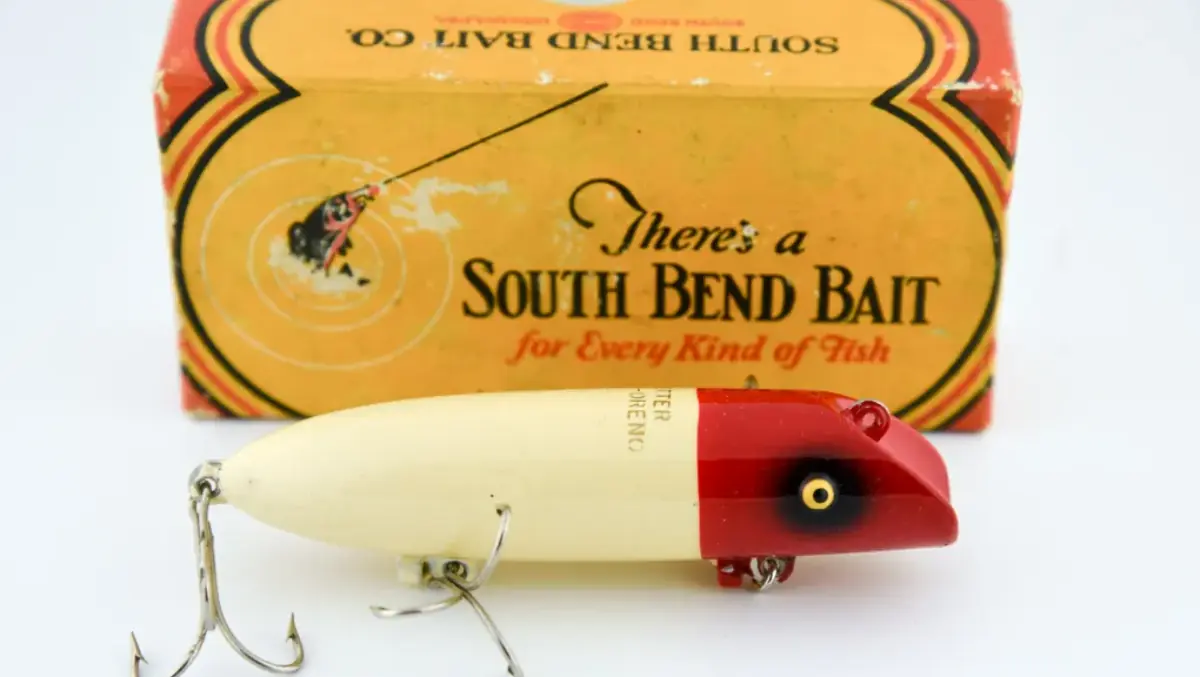
A lot of grandfathers bought South Bend lures in the 1920s. Those lures caught them a lot of fish during the next 30 years, and so a lot of their kids bought South Bend lures too. After that, the grandkids got in on the action.
Brand loyalty gets passed down the same way that red hair and sports fandom does, from one generation to the next, with no questions asked.
So in 1960, if you walked into a hardware store, you didn't need to read the packages or compare the prices. You just needed to see two words:
South Bend.
It's not until you get home and pull the thing from its box that you notice it feels cheap.
It's not until the weekend that you realize the fish aren't biting.
A subscription to the News-Times is always free.
Enter your email address and get new issues straight to your inbox.
For generations of fishermen, South Bend was synonymous with quality. South Bend lures were the best fish getters on the planet. They lasted forever. They shipped millions of them, they had satisfied customers around the globe, and every piece they sent out was stamped with exactly two words that fishermen trusted:
South Bend.
That trust was not some warm abstraction. It was money. Accountants have a word for it, goodwill, which is exactly the kind of soft, churchy word you'd pick if you didn't want anybody to notice how valuable the thing was. Goodwill is everything a company is worth that you can't put your finger on. It's decades of people getting what they paid for. It fills up slowly, like a cistern in a dry year.
In 1958, a Chicago lawyer named Benjamin Fohrman figured out how to cash in on it.
He bought the company for himself, in exactly the same way and for all the same reasons that he had purchased the South Bend Toy Company a year earlier. Both companies were struggling to keep up with cheap overseas goods. Both companies had brand names that carried a tremendous amount of goodwill.
Ben Fohrman had a plan to convert that goodwill into cold, hard cash.
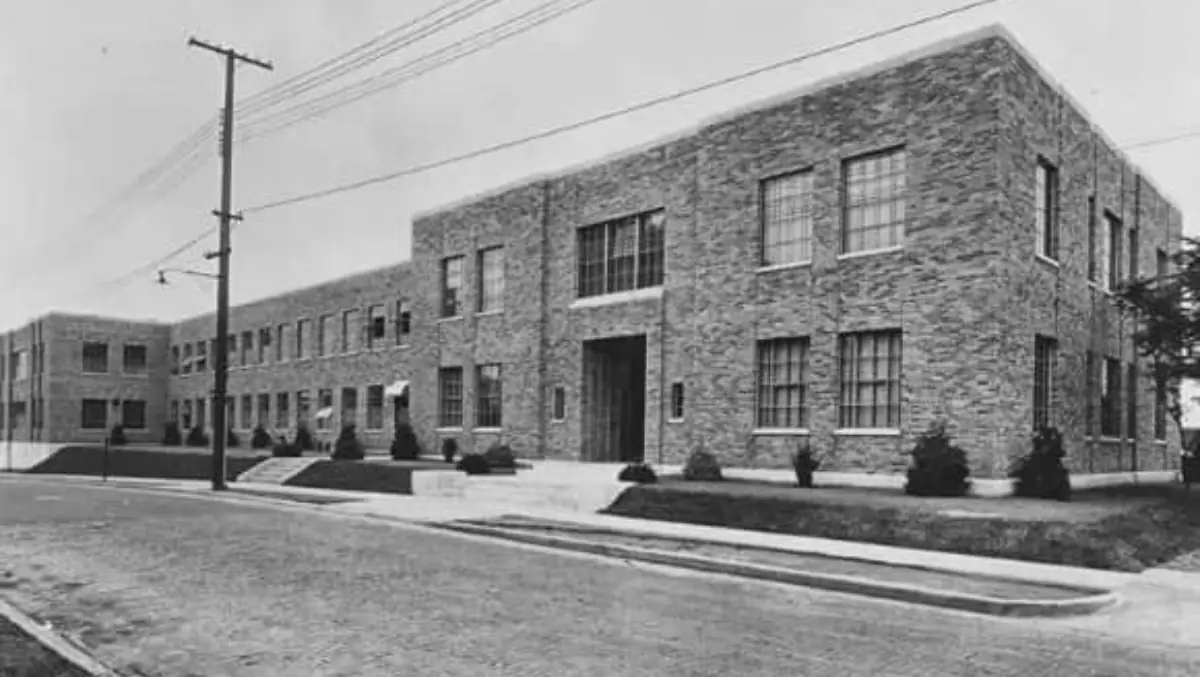
Here's how Ben Fohrman made himself rich by ruining the companies he bought:
He started by licensing the brand names to virtually anyone who was willing to pay him for it. Companies across the United States lined up to hand Fohrman their money, then started stamping the South Bend name onto every subpar piece of junk that they could produce.
Then, in order to keep the factory in South Bend operational, he had them produce unstamped and unbranded versions of their legendary baits that could be sold as private-label goods for Sears and Montgomery Ward. For a few years there, any bait that said South Bend on it was assuredly not made in South Bend. The stuff that was made in South Bend didn't have a name on it at all.
Here's the beautiful, terrible genius of it. In 1960, nobody could tell. There was no internet. No one-star reviews. No furious guy in a bass boat filming a lure coming apart for an audience of four million on TikTok. If your new South Bend plug fell to pieces on a snag, you found out in July and told the three guys you fished with, and maybe they believed you. Word traveled at the speed of a bar conversation. A reputation could take a few years to catch up with a product.
A few years was all Ben Fohrman needed.

There was one more part of Fohrman's plan, and it came with a sense of urgency.
After he had watered down the brand name and drained the company's goodwill like a savings account during a bank run, he needed to find someone he could sell the company back to.
Preferably someone who didn't recognize the damage that had been done, and if he couldn't find that, someone optimistic enough to believe that goodwill could be refilled just as fast as it could be drained.
They found out quickly that it couldn't. When new ownership got hold of the South Bend Bait Company, they started to learn what they'd been left with. Fohrman took over businesses that competed on quality, not price. He left behind businesses that could compete on neither.
It was 1958 when Ben Fohrman bought the South Bend Bait Company. It was 1965 when the operation shuttered its South Bend operations, but by then Fohrman had already made his money. The company was someone else's problem, and in South Bend, another closed-down factory was a problem for everyone.