Louis Humphreys: Second Mayor of South Bend
How the city's doctor became its mayor and did as little governance as possible
BY AARON HELMAN // POSTED MAY 5, 2026
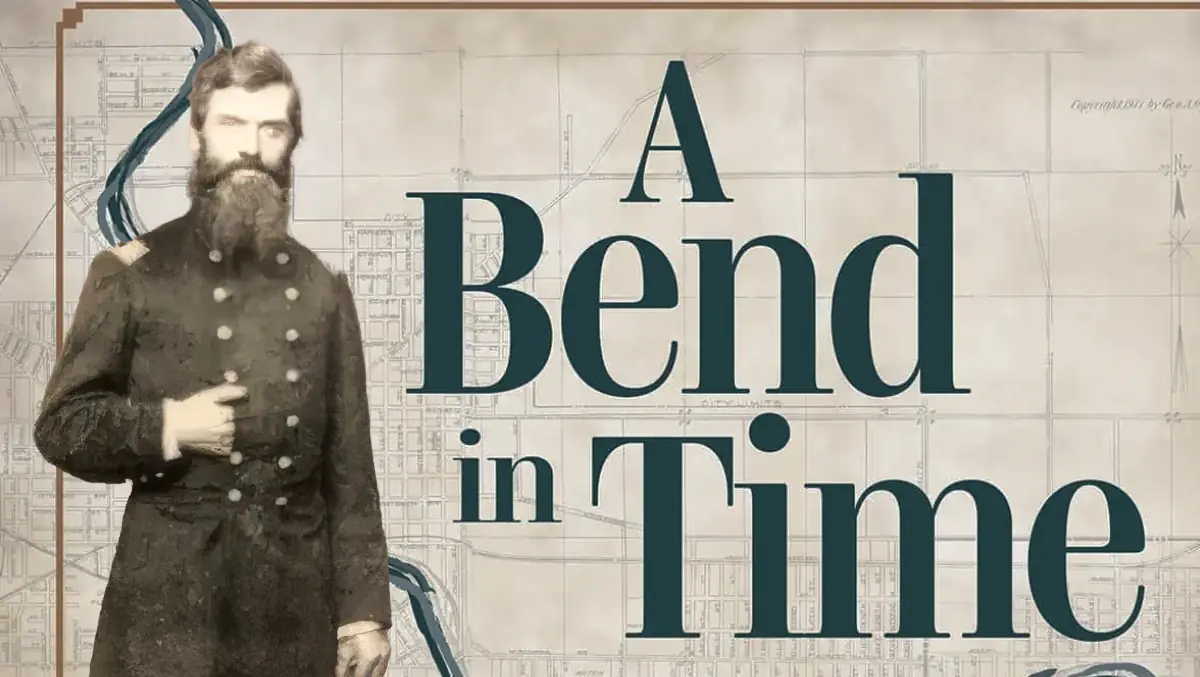
Dr. Louis Humphreys became mayor of South Bend in 1868 and spent four years doing his best to make sure no one noticed. For the most part they didn't. He continued practicing medicine for the duration of his time in office, and usually, he was more present in the doctor's office than in the mayor's office.
That's at least partially because the mayor didn't have a proper office yet.
None of this is meant to suggest that Humphreys was a bad mayor or even an absent one. Far from it. In fact, during the boom years of the early 1870s, he was exactly what his young city needed.
A subscription to the News-Times is always free.
Enter your email address and get new issues straight to your inbox.
Humphreys came from Ohio in 1844, set up as a general physician and surgeon, and earned the kind of civic trust that takes decades to build. He served as a field surgeon during the Civil War, did it well enough to earn a personal commendation from Lincoln, and came home to serve as the city's first health officer. Humphreys' first act in the name of public health was filling the construction craters and stagnant water pools that the newspapers were insisting would cause a cholera outbreak.
When the job was done, Humphreys was lauded as the kind of man who had saved the city from pestilence. He was a hero, and soon enough he was the Republican candidate for mayor, an obvious choice to replace William George, who'd decided not to pursue a third term.
When the mayoral election of 1868 arrived, the only real question was whether the Democrats could find someone willing to lose to him.
They could not.
Their primary winner declined the nomination. The runner-up also declined, insisting the first man take it. He declined again. Eventually a reluctant Joseph Henderson was dragged to the starting line, became the Democratic candidate for mayor, and lost by twenty points. A St. Joseph Valley Register article about the Democratic nominating proceedings used the word "declined" eleven times and italicized it for effect each time.

Humphreys took over a city that was practically running itself.
Studebaker was booming. Oliver had just incorporated the South Bend Iron Works. Singer had opened operations. The railroads were threading through the city in every direction. And just one week after Humphreys won his election, South Bend's most famous resident — Schuyler Colfax — was nominated as the Republican candidate for Vice President, which meant the whole country was suddenly paying attention to this small city on the St. Joseph River.
More importantly for Humphreys, it meant that no one was paying attention to him.
Humphreys seemed genuinely delighted to be pushed off the front page. He lectured at Colfax rallies, warmed up the crowd at the local fairgrounds that July, then stepped aside while the ovation came down on someone else.
As mayor, he approved streetlight contracts and rubber-stamped building permits. He kept practicing medicine, because the city during those years needed a doctor at least as much as it needed a mayor.
Maybe more.
For stretches of his first term, the council proceedings weren't worth reporting. Humphreys tried to get a park built. It fizzled. He tried to get a library funded. That fizzled too. It didn't matter. He won reelection by the same twenty points anyway.
If Humphreys had anything, he had great timing. He was a mayor who didn't do much at exactly the time when the city didn't need much from its mayor.
But it was about to.
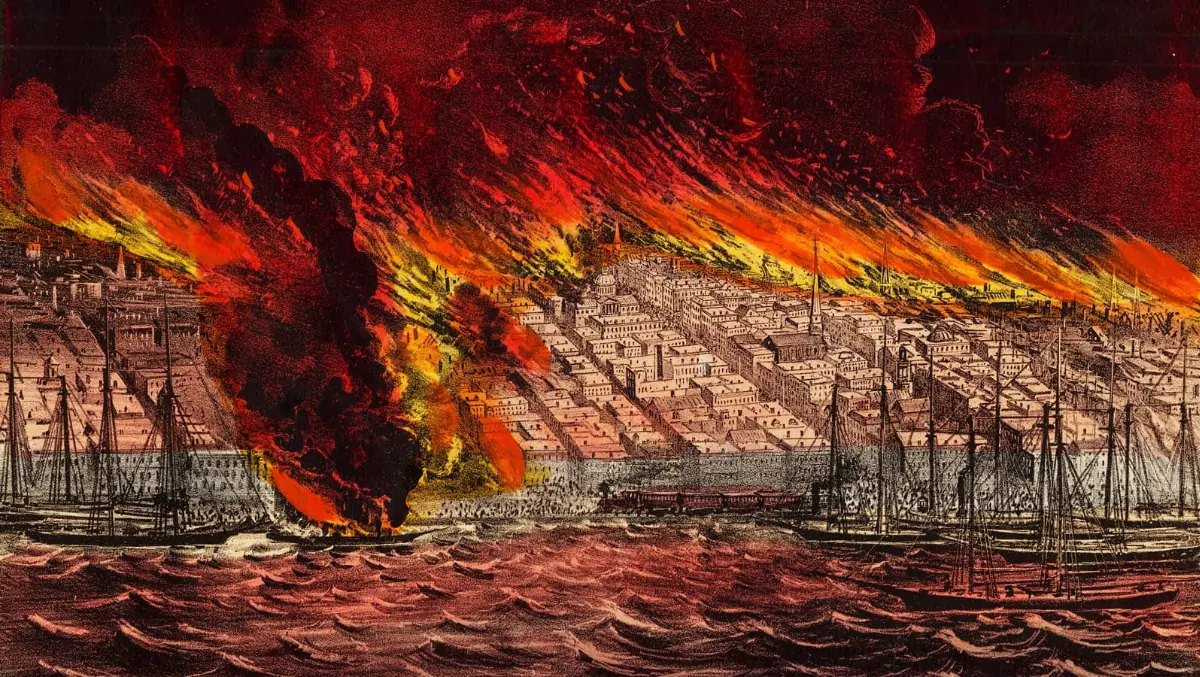
Humphreys did do one important thing. In the fall of 1871, the Great Chicago Fire announced itself to the people of South Bend as smoke over a distant horizon. The fire was not a fluke. Warm temperatures and long drought left dozens of towns in Illinois, Wisconsin, and Michigan burning.
But not South Bend.
Humphreys organized a hasty but thorough volunteer fire patrol to walk the city in shifts, 24 hours a day, every day until the rains came. They caught and snuffed six different fires before they grew into city-consuming infernos. South Bend didn't burn, largely because its quiet and unassuming mayor knew exactly when it was time to step in to take control.
Louis Humphreys died in 1880 at the age of 63. He is buried in the South Bend City Cemetery.