Why Is It Called Mexico, Indiana?
A small Indiana town, a war for independence, and a complicated piece of American history
BY AARON HELMAN // POSTED JUNE 11, 2026
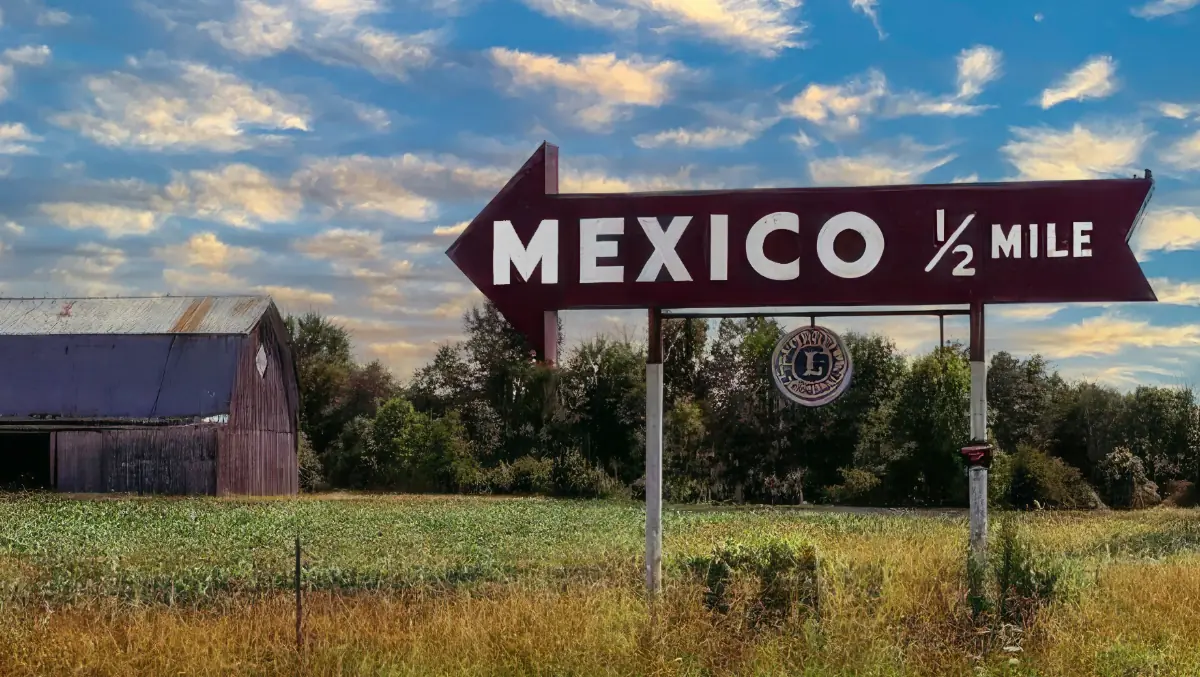
You've seen the sign before.
It's right there on US-31, south of Rochester. It tells you that you're almost to Mexico. All you need to do is turn left. It's a half mile down the road. If you're like me, you always make the same joke.
Oops, looks like we accidentally went too far south.
If your kids are like my kids, they groan, and not just because it's not a very good joke. They groan because they've heard it before, because you tell the same joke every single time. My kids would want you to know that we make the drive down to Indianapolis fairly often.
But besides dad joke fodder, that sign on the side of US-31 raises a fairly obvious question:
Why does the state of Indiana have a town called Mexico?
A subscription to the News-Times is always free.
Enter your email address and get new issues straight to your inbox.
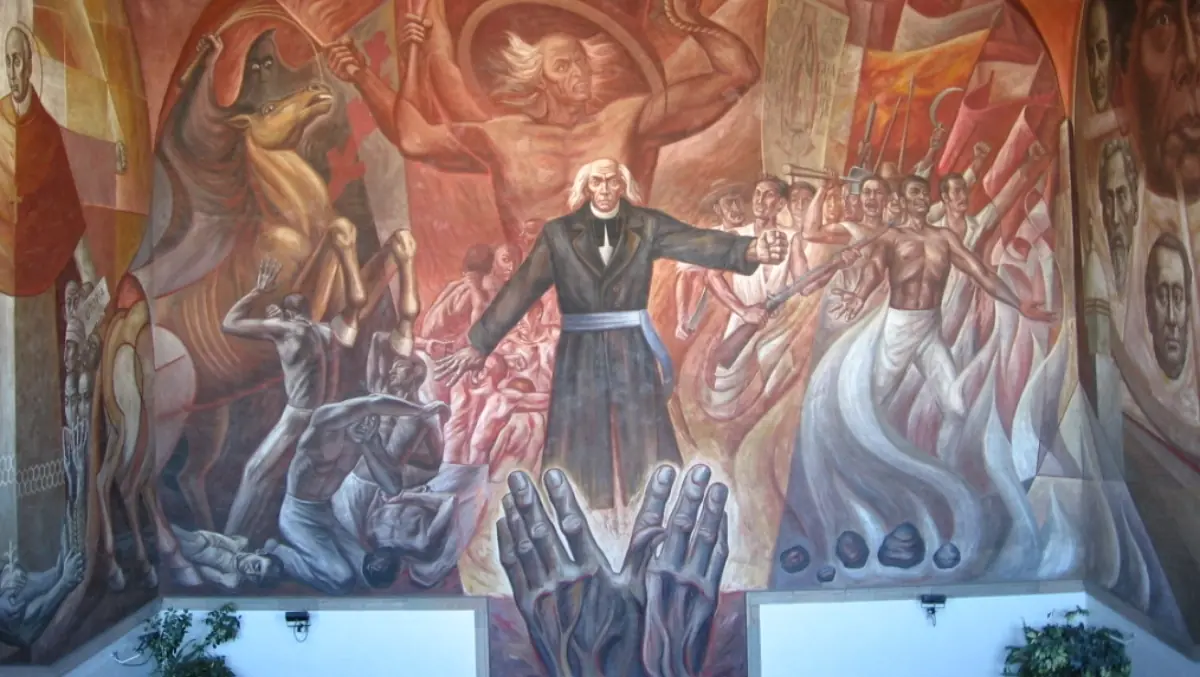
On September 16, 1810, a Catholic priest named Miguel Hidalgo rang the church bells in the small Mexican town of Dolores. The sun had not yet risen. The people came anyway.
Hidalgo spoke to the crowd and offered them a fiery speech that would come to be known as the Grito de Dolores. It's celebrated as the moment that Mexico decided it was done being a Spanish colony.
It's the day the nation began the fight for its freedom.
It did not go smoothly from there.
Hidalgo's ragtag army of farmers and peasants came close to capturing Mexico City before Spanish royalist forces turned them back. Within a year, Hidalgo had been captured, stripped of his priesthood, and shot. His head was displayed on a spike at a granary in Guanajuato as a warning to anyone who had ideas of their own. The Mexican Revolutionaries did not quit.
They appointed a new leader, another priest, this one named José María Morelos. Four years after he took over the Mexican cause, Morelos was apprehended and executed by the Spanish.
Imagine a version of the American Revolution where the British managed to take out George Washington and Benjamin Franklin. That was Mexico in 1816, and still, the Revolutionaries did not quit.
The people of the United States watched the Mexican War of Independence as it played out in the newspapers, and they beamed with pride as revolutionary spirit spread across the western hemisphere. A Mexican victory would be a victory for independence, and a victory for independence was a victory the Americans would claim for themselves — even if the Americans didn't do anything to help win the war, and they didn't.
The United States maintained strict neutrality throughout the conflict. The Mexican Revolutionaries would have to win the war on their own. By 1821, they did. The cause of freedom had won again. Revolutionaries across the world cheered at the news. Dictators and monarchists shivered at the implication. Americans joined with their neighbors to the south as they shouted:
Viva Mexico!
At the same time that Mexico was winning its War of Independence, Indiana was attaining statehood and increasing its population tenfold in a matter of two decades. There were new families, new farms, new communities, and new towns. All of those places were going to need names. Everyone remembered what they saw in the newspapers.
Communities across the Midwest took names for themselves as tribute to the cause of Mexican freedom, including a town just south of Rochester along the Michigan Road.
Mexico, Indiana.
Mexico was platted in 1834. It used to be the only stopping point between Indianapolis and Michigan City. You couldn't miss it. You still can't. Just ask my kids.

In 1845, the United States claimed Texas for itself, but Mexico didn't call the move an annexation. They called it theft.
The following year, after a skirmish in disputed borderland that President James K. Polk called an attack on American soil, Congress declared war on Mexico. Among those who voted against it was an Illinois congressman named Abraham Lincoln, who kept asking, politely and then persistently, if someone could point to the exact spot where American blood had supposedly been spilled.
Nobody could. They declared war anyway. Barely a decade after they'd named their town in honor of their neighbor to the south, the people of Mexico, Indiana were sending their sons to fight there.
Dozens of towns had been named in honor of Mexico in the aftermath of the Mexican War of Independence. Some of them rushed to change their names at the outset of the Mexican-American War.
Mexico, Indiana wasn't one of them. The town is still there, and so is the sign. If you ever drive to Indianapolis with me, I promise I'll point it out to you.