Russiaville, Indiana Was Never About Russia
How a mispronounced French name became a cartographic curiosity
BY AARON HELMAN // POSTED SEPTEMBER 4, 2026
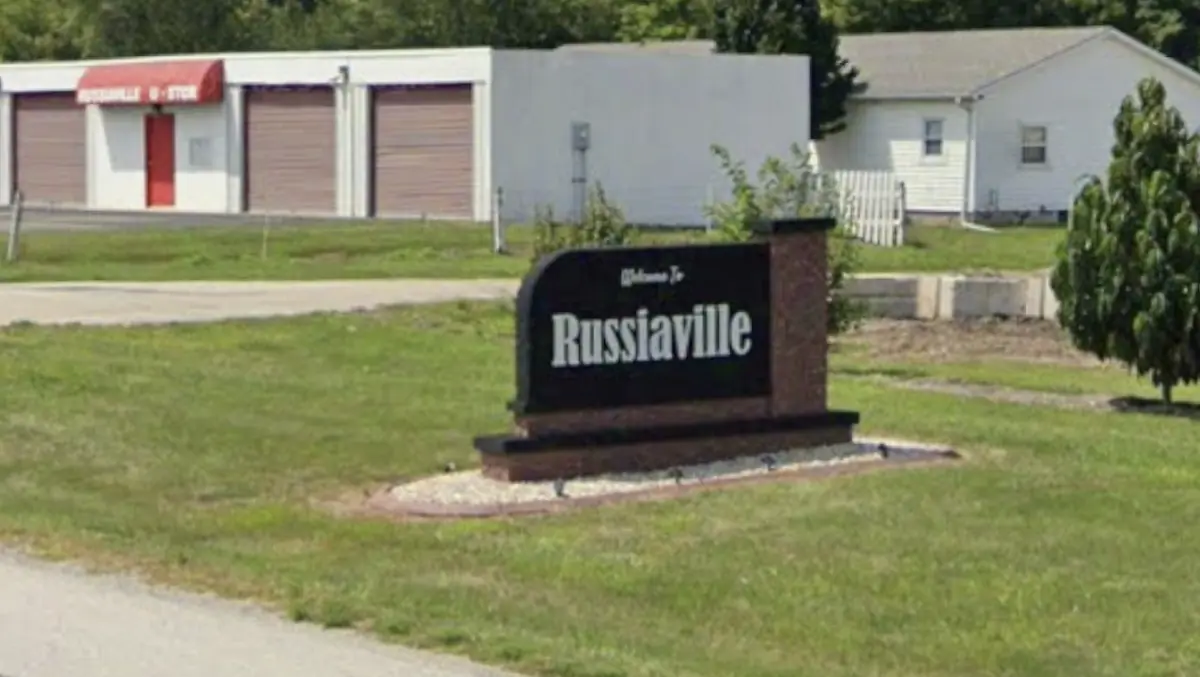
You've probably seen the sign before, but you should know, it's not what it looks like, and it's not pronounced that way either.
At least not by the people who live there.
They call it Roo-sha-ville, and not because they're mispronouncing the name of the country their town is named after. They call it that because they want everyone to know that their town is not named after the country.
That, and because for nearly 200 years, Americans have struggled with French accents.
A subscription to the News-Times is always free.
Enter your email address and get new issues straight to your inbox.
In the middle of a state filled with towns named after foreign countries, you're forgiven if you've always just assumed that Russiaville was named when Russian immigrants came to Indiana and built themselves a town. But it didn't happen that way. There are no onion domes and no sister cities near Siberia. There were never any boatloads of Russian refugees bound for a spot west and south of Kokomo.
There was, however, a Native American chief named Jean Baptiste de Richardville.
Richardville was chief of the Miami people in Indiana, and the story tells that when he died in 1841, he was the richest man in the entire state. His father was a French-Canadian fur trader. His mother, Tacumwah, ran a toll operation along the portage between the Maumee and Wabash rivers.
Richardville inherited the portage from his mom and the fur trading business from his dad. He was supposed to be worth more than $200,000 at the end of his life. That's equivalent to more than $7,000,000 today. It was enough money for a man to get a town named after him.
Richardville, spoken in French, comes out something like Ree-shar-ville.
You can see where this is going.

The Miami had lived in northern Indiana for generations, and by the late 1830s, they were among the last Native Americans to face removal, thanks largely to the wealth and influence of Richardville. But not even the richest man in Indiana could keep them all there forever. In the end, about half of the Miami people were allowed to stay in Indiana. The rest were marched away to Kansas and Oklahoma.
Indiana organized Richardville County in 1844, but the name didn't stick. It became Howard County in 1846, and the town took the name for itself around the same time.
Ree-shar-ville became Roo-sha-ville before anyone had a chance to decide on a proper spelling. By the time they wrote it down, they took a guess and a bad one.
It's been Russiaville ever since.
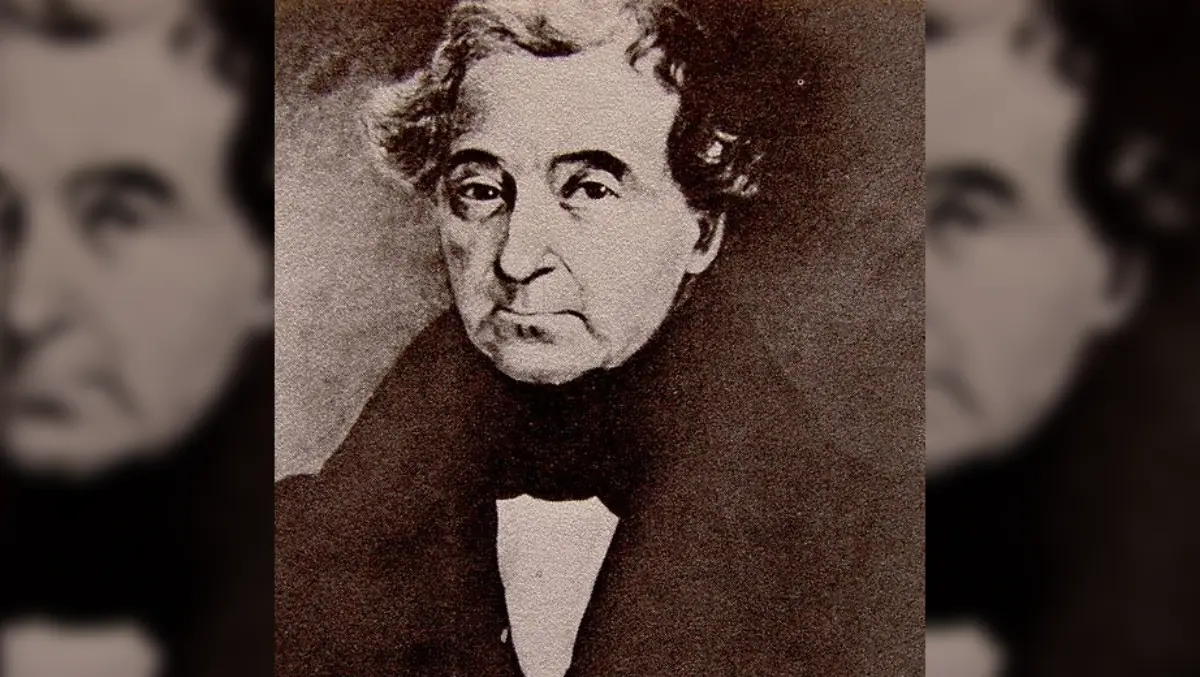
Jean Baptiste de Richardville was not from the place that would become Howard County. He lived and worked out of Fort Wayne. So far as we can tell, he never visited the town that is mostly named after him.
But his name's on the sign, and his name's in a few unexpected places too.
Like mostly children born of French and Native parents, Richardville was given a French name — and a tribal name too. Richardville's other name was Peshewa, a Miami word that means wildcat.
That's at least one of the explanations for Howard County's Wildcat Creek and the Kokomo High School Wildkats.
Sum it up and you get a town, a creek, and a mascot, maybe all of them named for one man; none of them sounding much like the name we know him by today.
You can cross the creek. You can drive through the town and listen to the way they say its name, and you'll never quite get the real name of the man who was once the richest guy in the whole state:
Jean Baptiste de Richardville.