Notre Dame's First Quarterback Became Mayor of (the Other) South Bend
George Cartier learned football 30 minutes before Notre Dame's first game. Then he went west and built a lumber empire in South Bend, Washington.
BY AARON HELMAN // POSTED OCTOBER 20, 2026
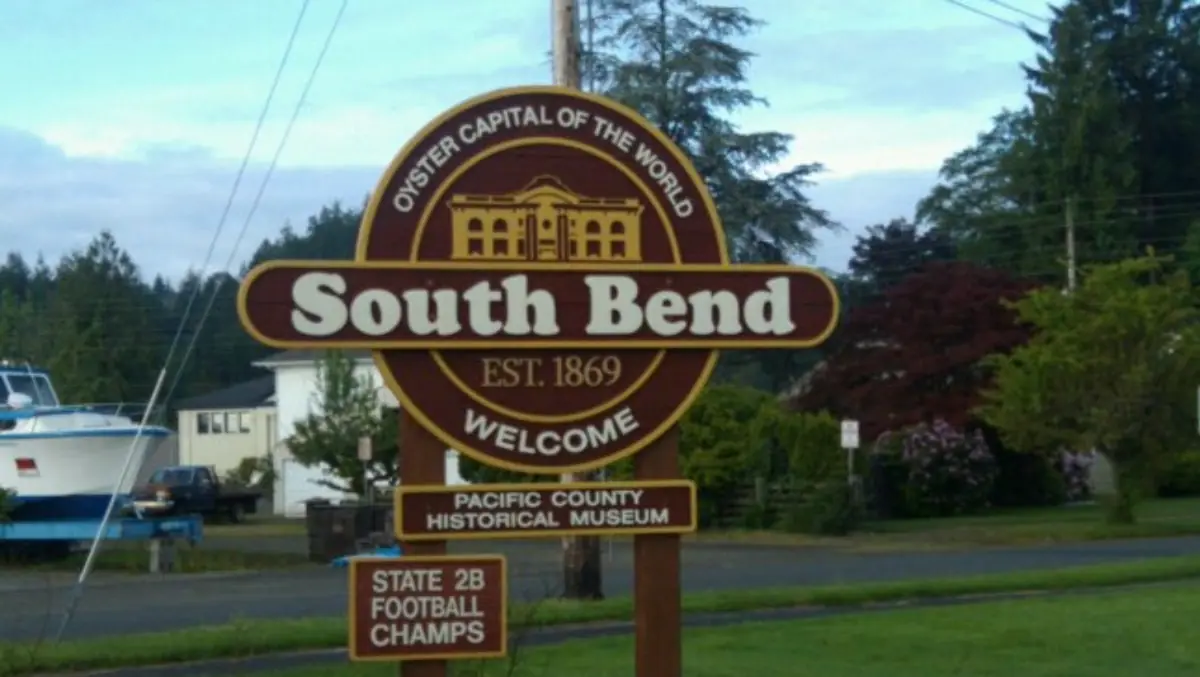
This is the story of how Notre Dame's first ever quarterback became the mayor of South Bend, but not our South Bend.
The other one.
The one in Washington State. The place that calls itself the Oyster Capital of the World. A place that sits on — wouldn't you know it — the southernmost bend of the Willapa River.
George Cartier was the name of the Notre Dame quarterback, all the way back in 1887.
By 1910, he was a mayor of a town that might have sounded familiar to him, just all the way on the other side of the continent.
A subscription to the News-Times is always free.
Enter your email address and get new issues straight to your inbox.
George Cartier was born to a lumber family in Ludington, Michigan. He was born a lumber man. He died a lumber man. In between, and very briefly, he played quarterback for Notre Dame at a time when most people didn't know what Notre Dame was, and for good measure, they didn't really know what a quarterback was either.
Cartier didn't really know what a quarterback was either. He learned the rules of the game half an hour before he was supposed to play it, and so did everyone else on the team. Unsurprisingly, they lost.
And then they moved on.
Or at least George Cartier did.
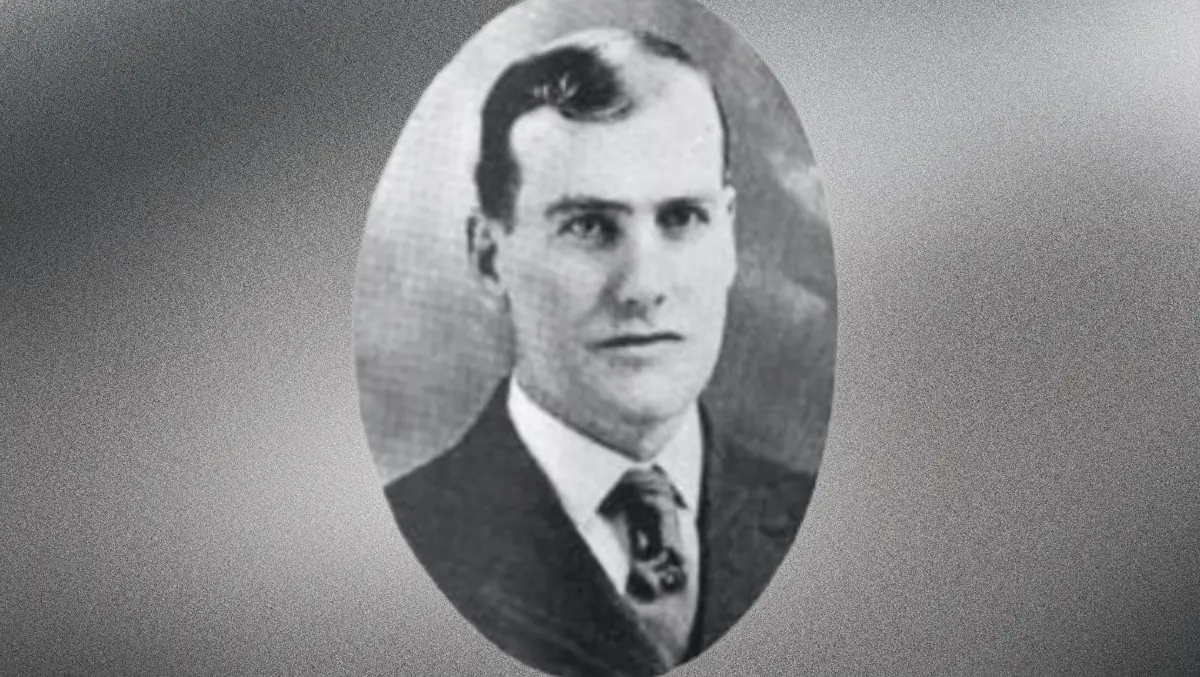
He did exactly what lumbermen did around the turn of the century. He made for the west. Michigan had once boasted an inexhaustible supply of lumber, but the trees were coming down faster than they could be replaced. What was left was already owned by other lumber barons. There were still trees out west, and there was still land to be had. So that's where Cartier went.
He founded and managed the South Bend Mills & Timber Company, and he set to the same playbook he'd learned from his father back in Ludington. Own the land. Own the mills. Own the shipping ports.
They called it the Baltimore of the Pacific. There were 150 people there when Cartier arrived. When they made him mayor in 1910, there were more than 3,000.
George Cartier remained in South Bend, Washington until 1919. He retired to Tacoma at the age of 50 and used his lumber money to build a home near Mount Rainier that he called Copper Creek Lodge. The lodge is still there. You can rent it for a weekend if you want to.

The lumber went the way everything else did after the crash of 1929. The mills shut down. Banks failed. Cash disappeared.
South Bend's merchants printed their own money on wood veneer. It cracked when people folded it into their wallets and fell apart when it got wet, which, in a town that gets roughly 120 inches of rain a year, was a design flaw. The second batch was printed on paper.
The last sawmill closed in 1953.
That left the oysters.
Depending on who you ask, South Bend is responsible for anywhere from 10%-20% of the oysters eaten in the United States, which is a lot, given that the town has a population of less than 2,000. Just one company shucked something like 30 million oysters last year.
There's a sculpture in downtown South Bend that they call the World's Largest Oyster. So far as I can tell, there's nothing that remembers George Cartier.