Why Is It Called Kosciuszko Street?
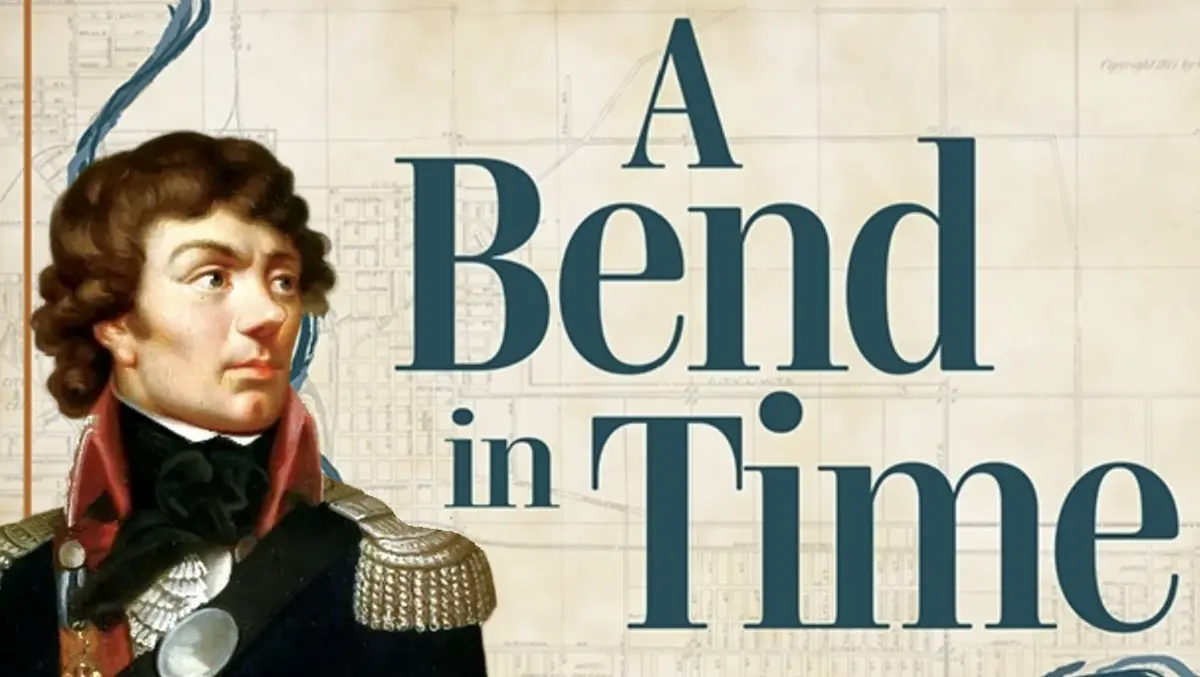
Thaddeus Kosciuszko helped win the American Revolution. He wasn't American. And most of us have no idea who he was.
BY AARON HELMAN // POSTED JUNE 14, 2026
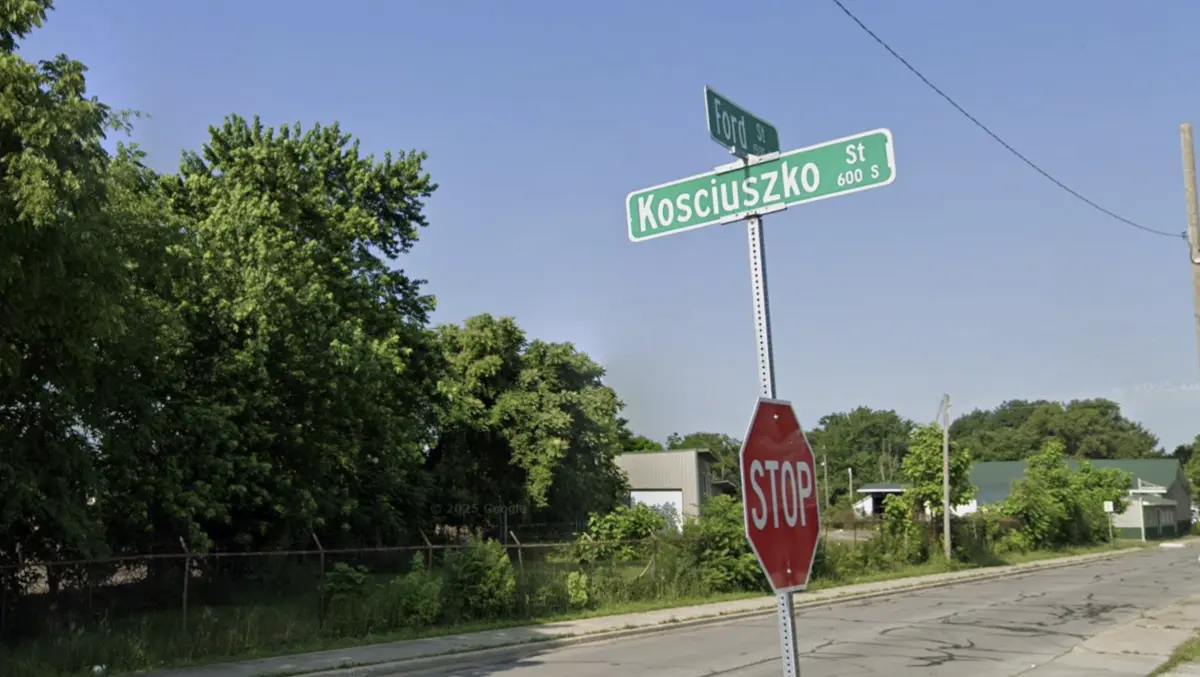
Kosciuszko Street.
The name barely fits on the sign. It's hard to pronounce and harder to spell. Four syllables, probably. Ten letters smashed together like someone fell asleep at the keyboard.
But it's a name worth knowing, because Thaddeus Kosciuszko was one of the most important figures of the American Revolution, and just wait until you hear this next part:
He wasn't even American.
A subscription to the News-Times is always free.
Enter your email address and get new issues straight to your inbox.
In 1776, Thaddeus Kosciuszko was a thirty-year-old military engineer living in Europe who heard about a revolution happening across the Atlantic. He believed in it. So he got on a boat.
He arrived in Philadelphia with no letters of recommendation, spoke broken English, and came with a single offer: let me take a placement exam in military engineering and fortification. Benjamin Franklin's response, reportedly, was that there was no one in the Continental Army qualified to proctor such an exam. The army was that green. Franklin gave him the job anyway. It was one of the better decisions of the war.
What Kosciuszko brought was something the Continental Army desperately needed and didn't know how to ask for: the ability to look at a piece of land and understand immediately how to turn it into a weapon. Where to build. Where to dig. Where to force the enemy to fight on your terms instead of theirs.
His most important contribution came at Saratoga in the fall of 1777. The British were pushing south from Canada, trying to cut the colonies in half. Kosciuszko surveyed the terrain and selected a ridge called Bemis Heights — high ground above the Hudson, flanked by thick woods and ravines — as the place where the Continental Army would make its stand. He put a thousand men to work building fortifications. When the British arrived, they couldn't penetrate the position. They tried to go around it. That didn't work either. On October 17th, General Burgoyne surrendered with six thousand soldiers.

General Horatio Gates, who commanded the American forces at Saratoga, later wrote that “the great tacticians of the campaign were the hills and forests which a young Polish engineer was skillful enough to select for my encampment.”
The Battle of Saratoga is widely considered the turning point of the Revolution. It convinced France to enter the war on the American side. It's hard to make the case that the Revolution succeeds without that. And a significant part of the reason the Americans won at Saratoga is that a Polish engineer who nobody asked to show up picked the right hill.
After the Revolution, Kosciuszko went home to Poland and led an uprising against Russian and Prussian occupation. It failed. He was wounded, captured by the Russians, and imprisoned for two years. When he was released, he came back to America for a visit in 1797 and was received as a hero. Towns fired cannons when his train arrived. He eventually settled in Europe, where he died in Switzerland in 1817.
He spent the next two centuries being slowly forgotten.
But not in South Bend.
The Polish immigrants who settled the near west side in the latter half of the 1800s brought their history with them, and part of that history was Thaddeus Kosciuszko — a man who had fought for Poland's freedom the same way he'd fought for America's.
The least we can do is make sure we know how to pronounce the man's name.
As for spelling it, it's worth noting that George Washington praised Kosciuszko repeatedly in his letters, and even he never managed to spell Kosciuszko's name correctly, and rarely managed to even spell it the same way twice.