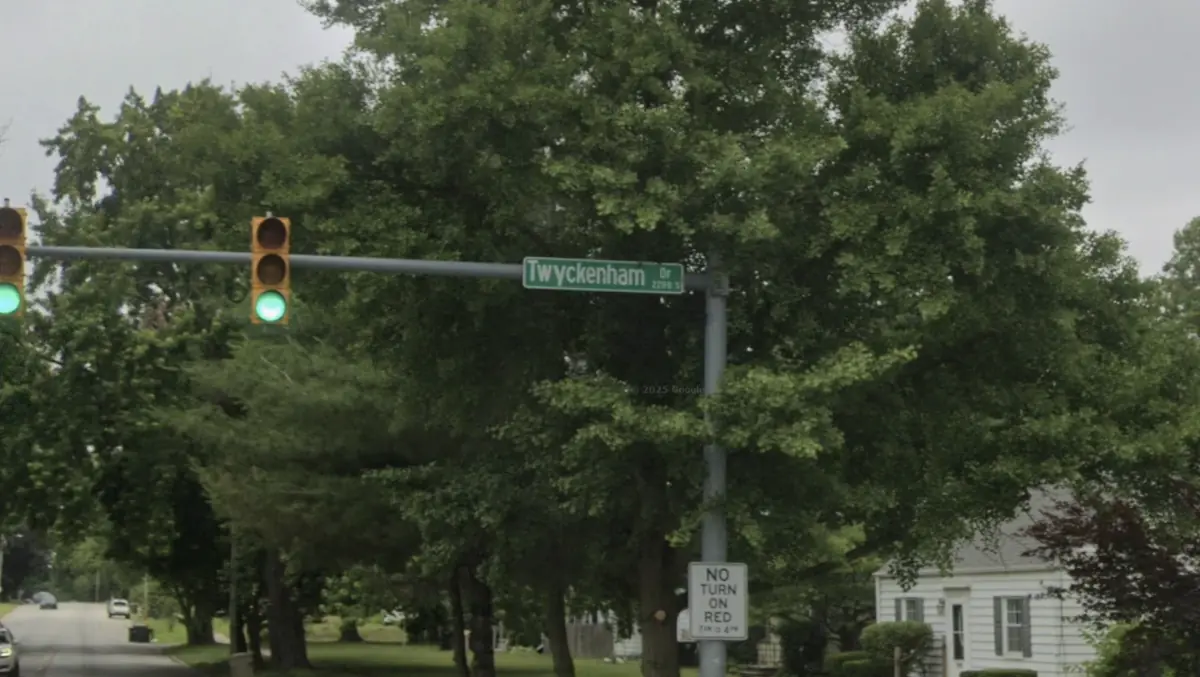
Why Is It Called Twyckenham Drive?
When Albert Erskine built his pretentious mansion, the place was going to need a pretentious name.
BY AARON HELMAN // POSTED JULY 16, 2026
By the 1920s, South Bend was moving on from its second generation of industrial kings. The Studebakers and Olivers had already had their moment. They had their legacies and their mansions. But their founding generations had already lived and died. Their second generations were hastening toward cushy retirements. There was a line of ambitious capitalists eager to replace them.
At the front of the line was Albert Erskine. As president of the Studebaker Corporation, Erskine had an important job and an impressive salary. What he did not have was a castle, but he would fix that soon enough.
He bought a plot of land just south of the city. He carved out a subdivision and built an imposing home at the top of a hill. In case all that wasn't enough, he gave his home the kind of lyrical name that dripped with pretension and sounded like old money.
He called it Twyckenham Park.
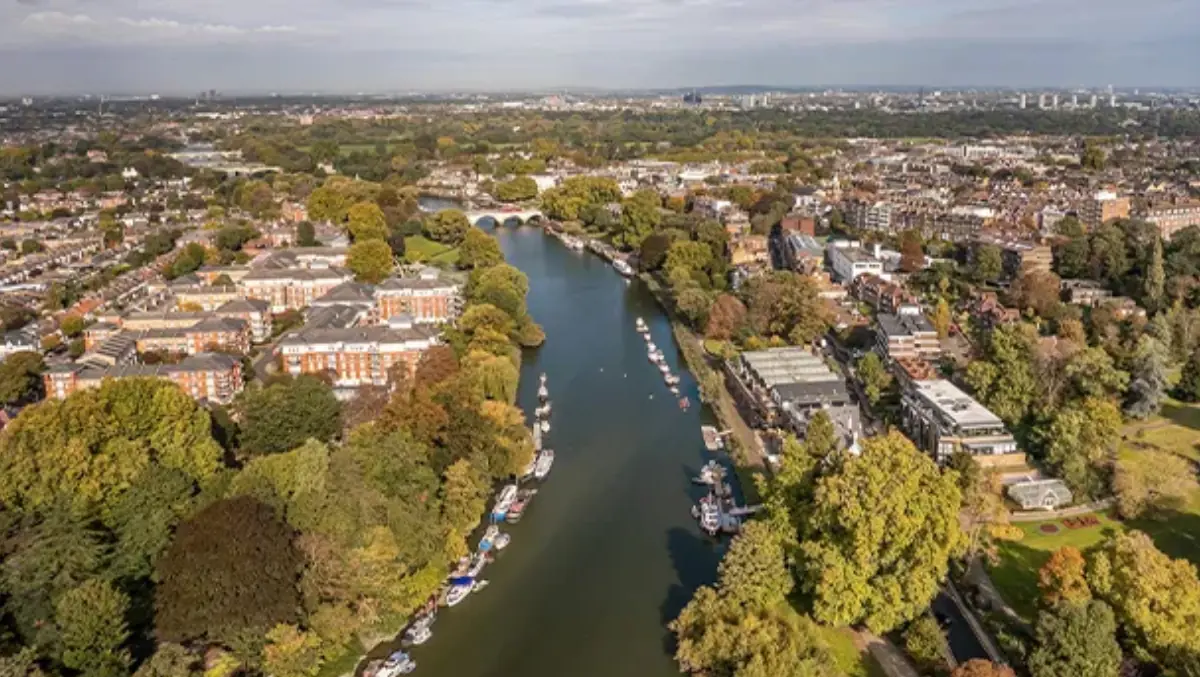
The English village of Twickenham traces its early recorded history to the year 704 AD. That's when the little town was ceded to the Bishop of London. More than 1200 years later, it became a part of Greater London.
During the 1700s, Twickenham became a kind of fashionable retreat for wealthy Londoners, a place where important men could escape the bustle of the city while remaining close enough to return at a moment's notice. Sometimes, important men have to do things like that.
In some ways, Albert Erskine's Twyckenham Park was the same thing. It was close enough to keep him near the important work at his busy office, but it was just far enough away that it was outside of town. It was almost a perfect little metaphor.
Except that's not where Erskine got the name.
That's because Twyckenham Park is actually named after a remarkably unexpected place:
Huntsville, Alabama.
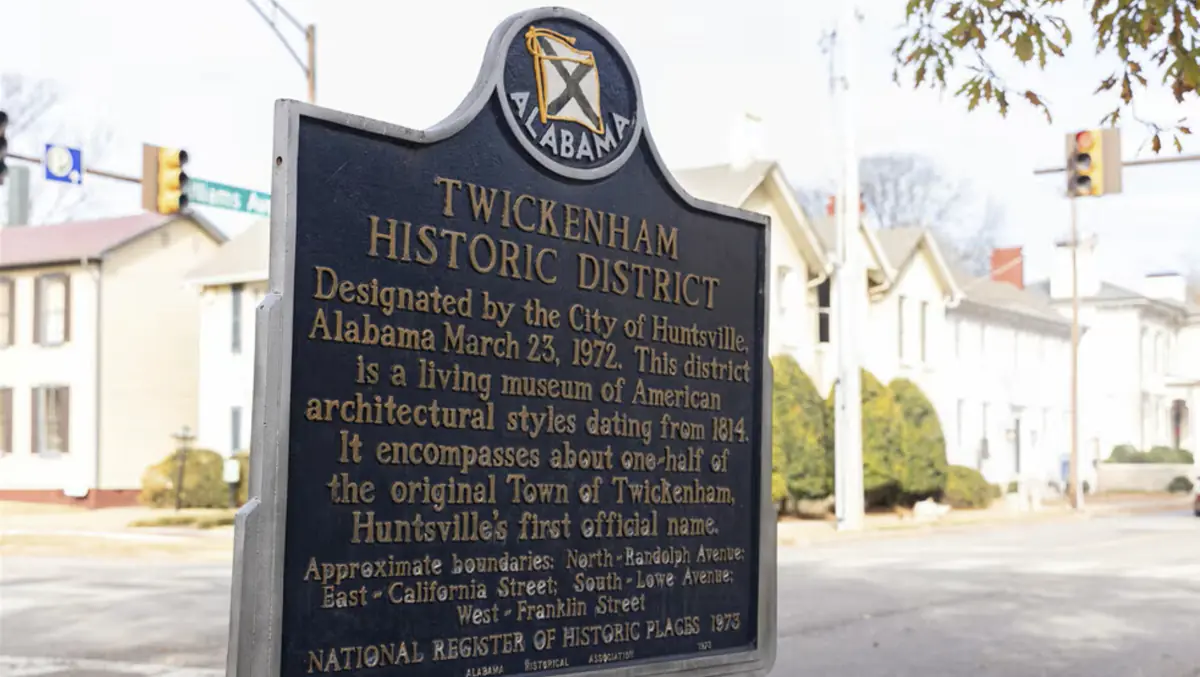
It wasn't called Huntsville at first. When LeRoy Pope — the town's founding father — laid out the town in 1809, he named it after something closer to his own heart than the Alabama frontier: the English poet Alexander Pope, the Bard of Twickenham, from whom LeRoy claimed distant kinship.
He called the place Twickenham.
But a few years after Pope built his town, the United States was on the brink of another conflict with Great Britain. Across the United States, places with English names took down their old signs and put up new markers in their place. The people of Twickenham, who had never been fans of Pope's pretentious name, were quick to seize on the moment. Twickenham, Alabama became Huntsville, Alabama in 1811.
Albert Erskine was born in Huntsville, Alabama in 1871.
Albert Erskine loved few things more than a pretentious name.
A subscription to the News-Times is always free.
Enter your email address and get new issues straight to your inbox.
Albert Erskine was concerned with appearances. He was rich, but not the way the Studebakers and Olivers were. He ran companies, but he didn't own them. He drew a president's salary — a generous one — but a salary is not a fortune. Erskine wanted to be seen as the kind of man who had a fortune, so he built and borrowed, financed his image on debt, and spent his life reaching for the trappings of the kind of old money he'd been born without.
A man building a monument to himself tends to sign his work.
He put his name on a Studebaker car. He personally sponsored the trophy given to college football's top team. He called it the Erskine Award. He named a Huntsville hotel after himself. He gave the city of South Bend money to build a public golf course so long as it had his name on it. It still does.
But it was tacky for a man to name a home after himself. The Studebakers had Tippecanoe Place. The Olivers had Copshaholm. Albert Erskine would have Twyckenham Park, an homage to the place he was born and a place that sounded expensive and classy all at the same time.
The subdivision around the mansion became Twyckenham Hills.
The road you took to get there became Twyckenham Drive.
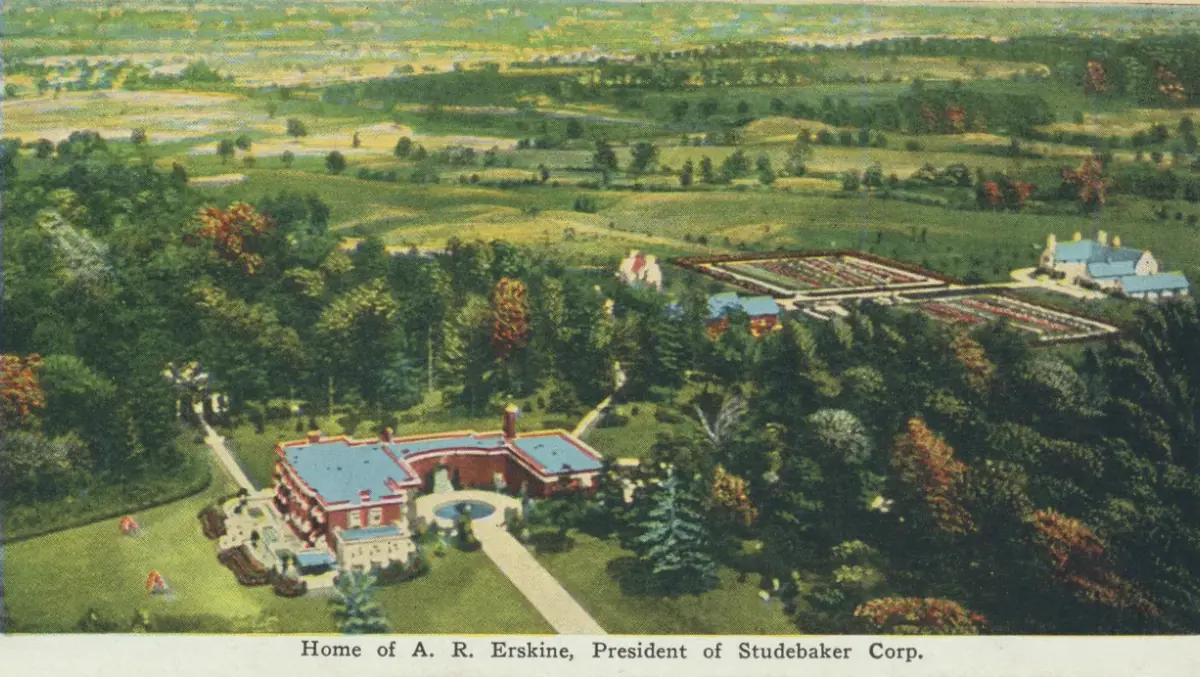
Alexander Pope, the Bard of Twickenham and the most famous resident of that English village, would have had words for Albert Erskine, and not flattering ones. Pope was a satirist and he saved his sharpest barbs for those prepossessed with their own vanity. He lampooned social climbers, mocked preeners, and savaged the kinds of men who might later print postcards featuring their own homes.
How vain are all these glories, all our pains,
Unless good sense preserve what beauty gains...
But since, alas! frail beauty must decay,
Curl'd or uncurl'd, since locks will turn to grey.

Twyckenham Park outlasted Albert Erskine. The home's builder committed suicide in 1933, plagued by ill health, out of work, and at the end of a heavy tether of debts and obligations. His house gained a new name after his death. It's still there. It's called Erskine Manor. It's at the top of Erskine Manor Hill Drive. Of course it is.
Twyckenham Hills became a subdivision unto itself, south of Ewing Street, right where Twyckenham Drive runs to its southern end. The subdivision butts right up against the Erskine Park Golf Course and the Erskine Village Shopping Center.
Albert Erskine is buried in the Maple Hill Cemetery in Huntsville, Alabama, directly across the street from the Twickenham Historic District.
No one ever explained why he chose to spell the name of his house with a 'Y'.