Why Is It Called Wakarusa, Indiana?
Since 1859, Wakarusa has been named after a river it never saw and given a legend no one's ever proven.
BY AARON HELMAN // POSTED AUGUST 21, 2026
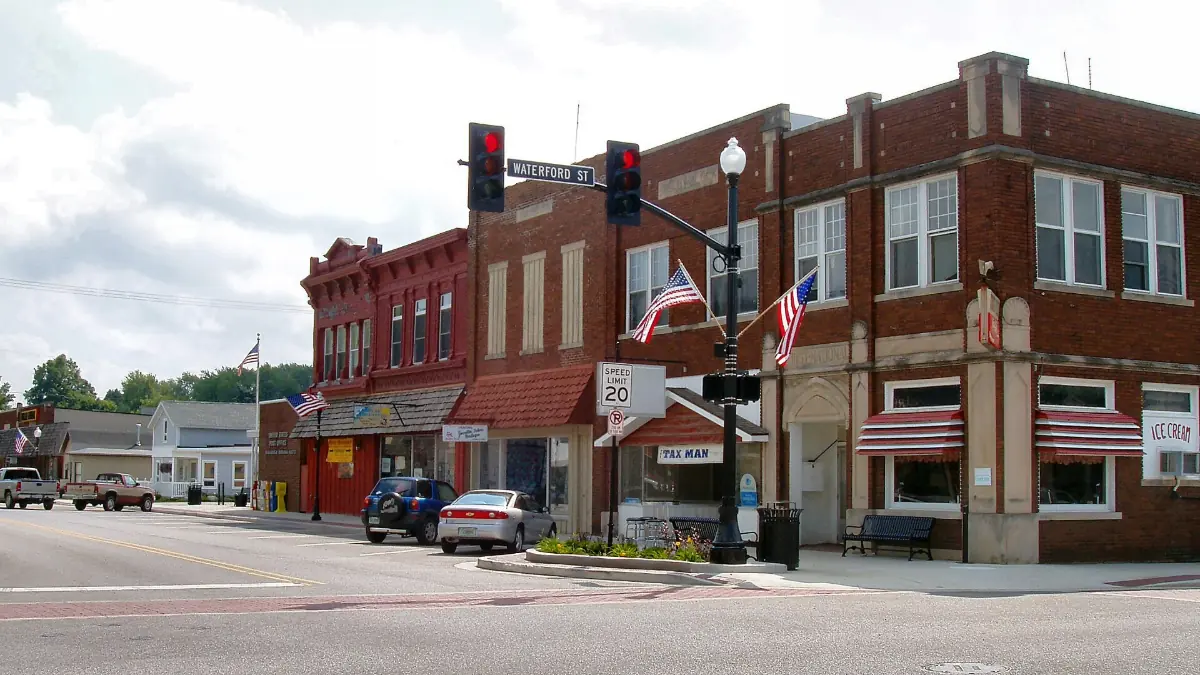
You've probably heard the story about how Wakarusa, Indiana got its name. I've heard it so many times, I can't remember when I heard it for the first time, and I don't live in Wakarusa, nor do I live particularly close. But stories like this one tend to travel, and the story goes like this:
Wakarusa's name came from an Indian word meaning knee-deep in mud. The town, it is said, was built on old marshland, and so the name makes sense.
If that was the full story, this would be a very short article.
It's not going to be a short article.
A subscription to the News-Times is always free.
Enter your email address and get new issues straight to your inbox.
When the first settlers came to Wakarusa, they did not think to name their town after its mud. They platted streets, opened a post office and dedicated the place with a proper-sounding name. They called it Salem, and for a few years, that was all the name the town needed.
The only problem was that Indiana already had a Salem, way down in Washington County, and in the years before anyone thought to invent ZIP codes, that created a problem for the post office — and for anyone hoping to get their mail on time.
The town went hunting for a new name, and they started looking in unexpected places.
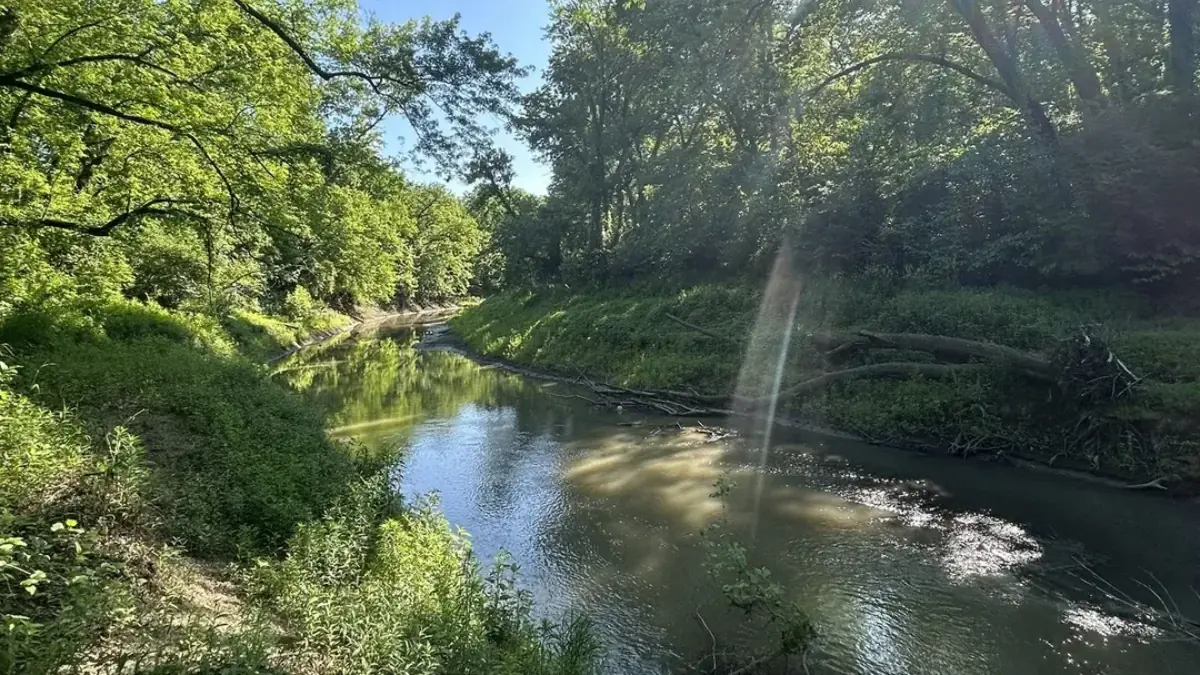
By 1859, the map of Indiana was becoming crowded with towns and cities and villages and post offices. Coming up with a unique name was becoming more of a challenge every year. Every Revolutionary hero's name had been taken. Every early Indiana politician's name had been claimed. Hundreds of towns had already been named in honor of other cities from across America and around the world.
But Mahlon Woolverton had an idea that hadn't been used anywhere in the Hoosier State, and he liked the way it sounded. Woolverton had previously lived in Kansas where he knew a river and a town with a unique name:
Wakarusa.
If you believe the legend, Woolverton's neighbors heard the name and liked it. When they learned that it meant knee-deep in the mud, they liked it even more, because apparently their farmers were constantly fighting with wet and loose soil.
So maybe that part of the story is true, but if it is, then it's only because the people weren't exactly fluent in Native American languages.

The word came from the people of the Kanza tribe — from whom Kansas got its own name — and the most honest truth is that no one has ever been able to prove exactly what it meant.
Some sources say river of weeds, which might have been an apt name for the Wakarusa River a few centuries ago. Other sources say river where milkweed grows, and that one seems like it could check out too.
Then there's the story most often repeated and least provable, that a rider on horseback was fording the river and called back the word wakarusa! to his companions. In that version of the story, the word meant hip deep.
It's not a stretch to see how a rumor mill could confuse the meaning of an obscure Native American term during its 600-mile journey from Kansas to Indiana.
But there's just one problem with that theory.
By the time the word wakarusa got to Indiana, it was not a new word. The people had seen it before. They'd read about it a lot. They were already familiar, and for reasons that had nothing to do with knee-deep mud in Indiana, Kansas, or anywhere else.
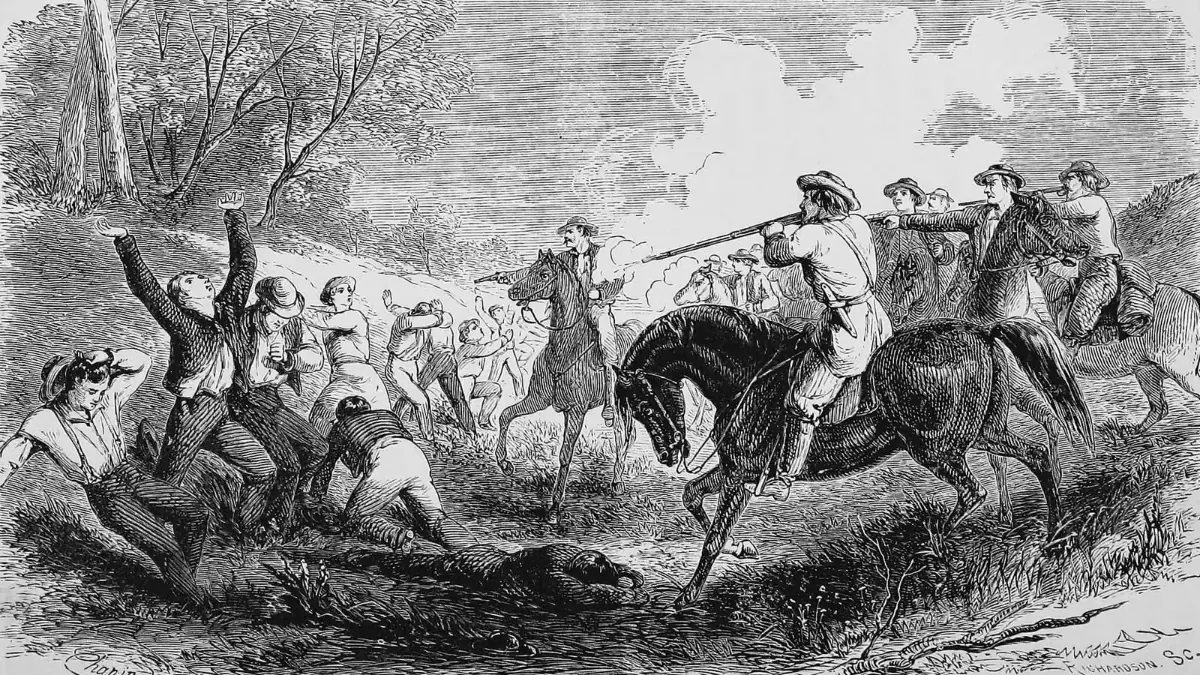
Before Wakarusa was an Indiana town, it was already a notorious war.
As the Kansas territory grew and moved closer to statehood, the question looming over the entire nation was whether it would come as a free or slave state. By the winter of 1855, the debate turned into a battlefield. The two sides of the debate raised up factions that became armies — just about a thousand men on each side.
The war was mostly cold, and it finally ended when Territorial Governor Wilson Shannon interceded to negotiate a truce before a proper battle ever arrived. The Wakarusa War was one of several flashpoints in an affair that became known as Bleeding Kansas, the prelude to the American Civil War.
Shannon's truce didn't last, and it came too late for a pair of Free-State men killed in the skirmishes around it — Charles Dow, shot in a land quarrel, and Thomas Barber, ambushed on a road outside Lawrence. They died in the Wakarusa valley for the side that wanted Kansas free.
All of this was in the papers, all across the nation. People knew Wakarusa. They knew the Wakarusa War. In 1859, Kansas was still fighting, and Kansas was still bleeding. People in Elkhart County knew what Wakarusa was when they renamed their town, and whether or not it was ever their intention, the new name honored a place where abolitionists were willing to fight and die for their belief in human freedom.
But that part of the story has been lost knee-deep in the mud of an etymological legend that forgets more history than it remembers. In the end, we still don't know what the word wakarusa means, but we've got a pretty good idea what it stands for.