Gene Fodge and The Long Road to Wrigley Field
He watched the Cubs win from the bleachers at age fifteen. Twelve years later, he was the one on the mound.
BY AARON HELMAN // POSTED JUNE 25, 2026
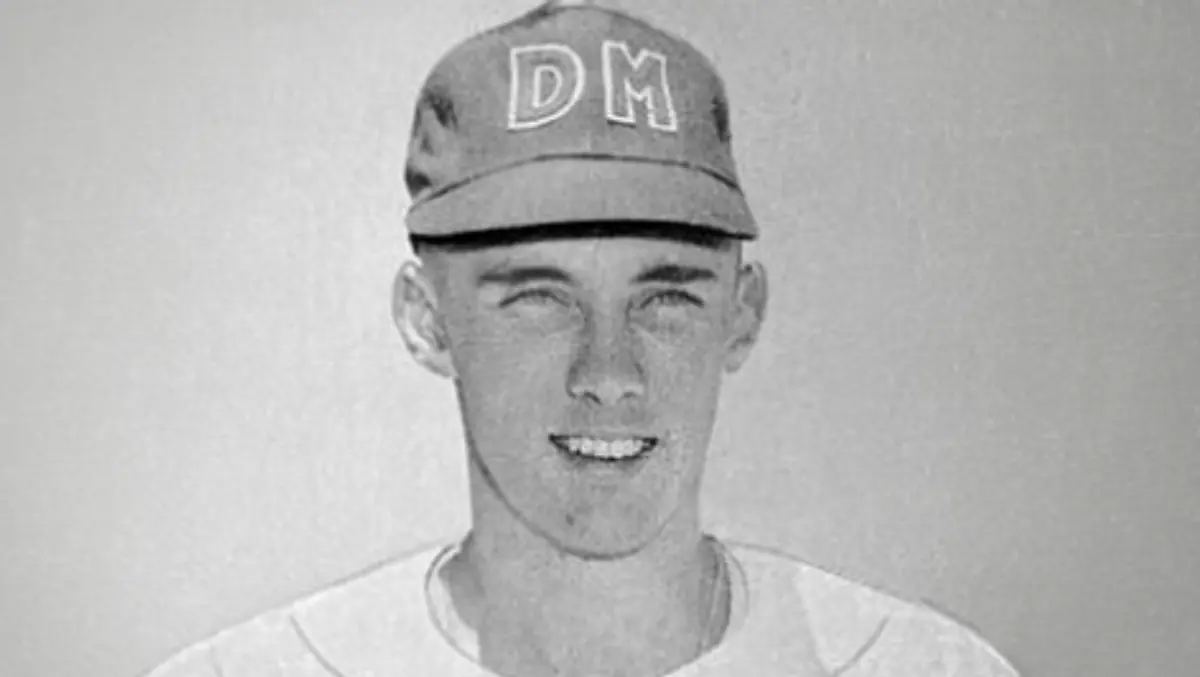
Gene Fodge was fifteen years old when he and his friends won a trip to Wrigley Field to watch the Cubs take on the Phillies. He and his friends had spent weeks cleaning up litter from South Bend's streets, part of a city beautification project that promised a special reward to its winners.
In South Bend, teams that had Gene Fodge tended to win a lot.
Fodge watched the Chicago win a 3-2 nailbiter, and he watched Cubs hurler Johnny Schmitz toss a complete game to seal the victory for the northsiders.
Twelve years later, Fodge would be back at Wrigley Field. He'd be the man on the mound, and he was going to throw a complete game of his own.
A subscription to the News-Times is always free.
Enter your email address and get new issues straight to your inbox.
Gene Fodge was born in South Bend in 1931, and by the time he was a teenager, he wasn't just one of the city's better litter collectors — he was establishing himself as one of its top athletes. He participated in gymnastics. He played tennis. He starred on the basketball team at South Bend Central. But most of all, he pitched.
A few days before he turned sixteen, Fodge was winning games for his American Legion squad. By the time he was eighteen, Fodge was nearly unhittable. On July 15, 1949, Fodge threw a seven-inning no-hitter that included a staggering 20 strikeouts. He pitched another no-hitter the next spring, and that's when the Cubs really started to take notice.
They signed him after he graduated high school, and he became a proud part of a South Bend pitching pipeline that had started when Eddie Hanyzeski went to the big leagues in 1942.
Gene Fodge spent the summer of 1951 pitching for a minor league team in Janesville, Wisconsin, putting up mediocre numbers and occasionally doubling as the team's bus driver.
Then came the Korean War.
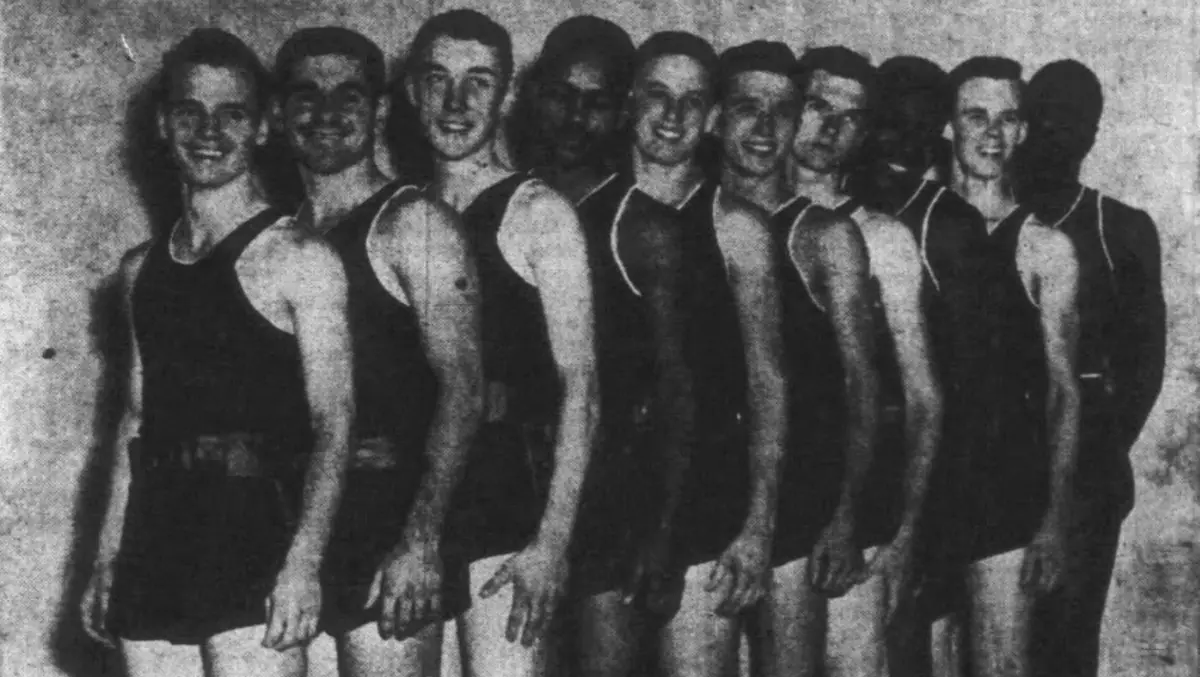
Fodge spent the summers of 1952 and 1953 with the United States Marine Corps. He kept sharp as an athlete, starring on his unit's baseball, basketball, and football teams. He hadn't played football in high school. He became the starting quarterback anyway.
Then the war ended and Fodge came home to rejoin the Cubs. They sent him to Des Moines, and Fodge picked up right where he left off: paying his dues while he crisscrossed the country from one minor league assignment to another: Des Moines, Los Angeles, Portland, Fort Worth, Memphis.
Then came 1958, when the club decided they needed his arm in the big leagues.
Fodge came roaring out of the gate in 1958, making his debut with two perfect innings in relief on April 20. Four days later he threw that complete game victory against the Dodgers.

South Bend watched Fodge's career with great interest, but never more than they did on May 25, 1958. That's when Chicago travelled to Milwaukee for the South Bendiest game in the history of Major League Baseball.
On the hill for the Cubs: Gene Fodge, born and raised in South Bend, graduate of Central High School.
For Milwaukee: Bob Rush, a Riley graduate, six years older than Fodge, another veteran of a foreign war.
Rush got the better of Fodge and the Cubs that day, and the rest of Fodge's summer started to get a little bumpier the rest of the way. He spent the rest of 1958 bouncing back and forth between the big leagues and a minor league affiliate in Texas. It was hard on Fodge and his young family.
When Fodge's contract was sold to an independent team in Denver, he couldn't bear to put his family through another year of the minor league carousel. He announced his retirement from baseball in February 1959.
Family came first, and for the rest of his life, Gene Fodge made sure of it.
He worked in South Bend and spent his summers going to Little League games for his kids and then his grandkids. Gene Fodge passed away in 2010.