A Visit to the Other Navarre Cabin
One French fur-trading family, three log cabins, three states — and none of them still stands where it was built.
BY AARON HELMAN // POSTED SEPTEMBER 21, 2026
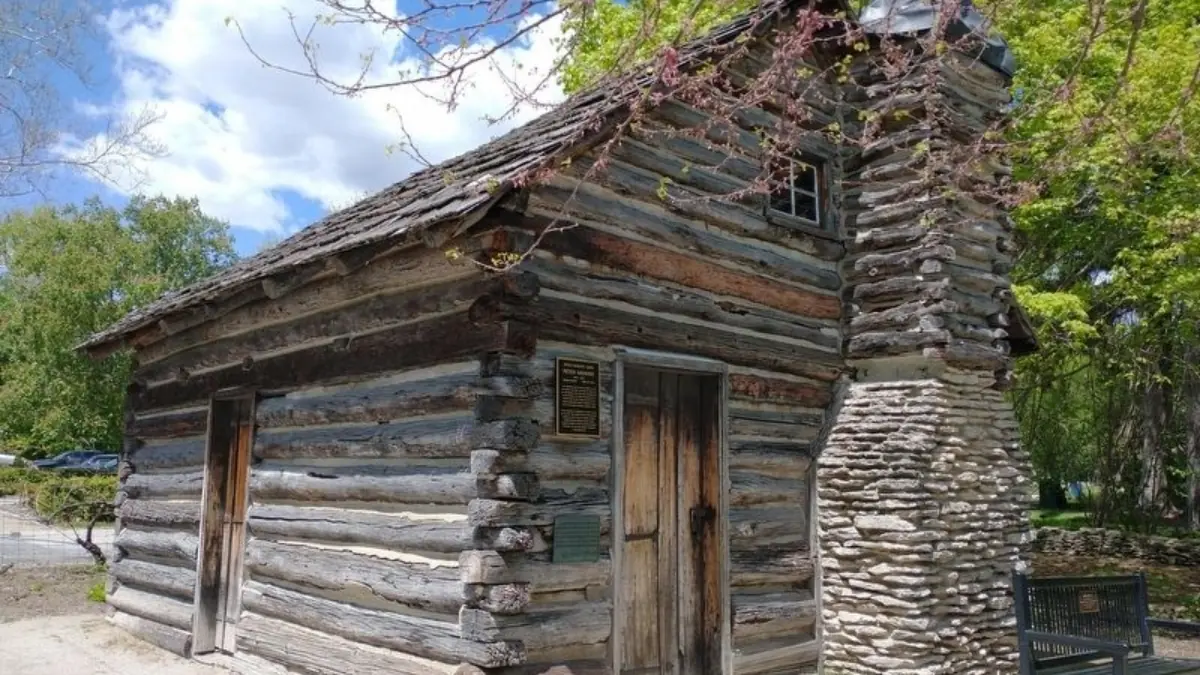
The cabin looks like it's been here forever, and in the grand scheme of the settled history of the area, it pretty much has been. Stacked logs and rough wood make up the home's four walls. There's a door, boarded windows, and a tall stone fireplace. It doesn't seem big enough for one person, let alone a man and his family, but there it is.
You recognize the name of the place if you grew up around South Bend. They call it the Navarre Cabin.
But it's not the historic home you're thinking of.
That's because this Navarre Cabin is in Toledo, Ohio.
A subscription to the News-Times is always free.
Enter your email address and get new issues straight to your inbox.
The Navarre family came from long roots in Detroit, and even longer roots all the way back to the French kings of Navarre. Robert Navarre was the Royal Notary at Detroit's Fort Pontchartrain in the years before America fought and finished a Revolution. They were fur traders and merchants, and in those days, they were unapologetically French.
But a generation or two later, they would become the kinds of people who typified the idea of the purely American pioneer, and they left at least three homesteads to prove it.
There was Pierre Navarre, usually recognized as the first European-descended settler at the place that would become South Bend. He was the builder of his own cabin, originally constructed just north of the St. Joseph River, then moved to Leeper Park, and then moved again to the grounds of The History Museum.
Then there was Pierre's cousin, Peter.
Peter got the more famous life.
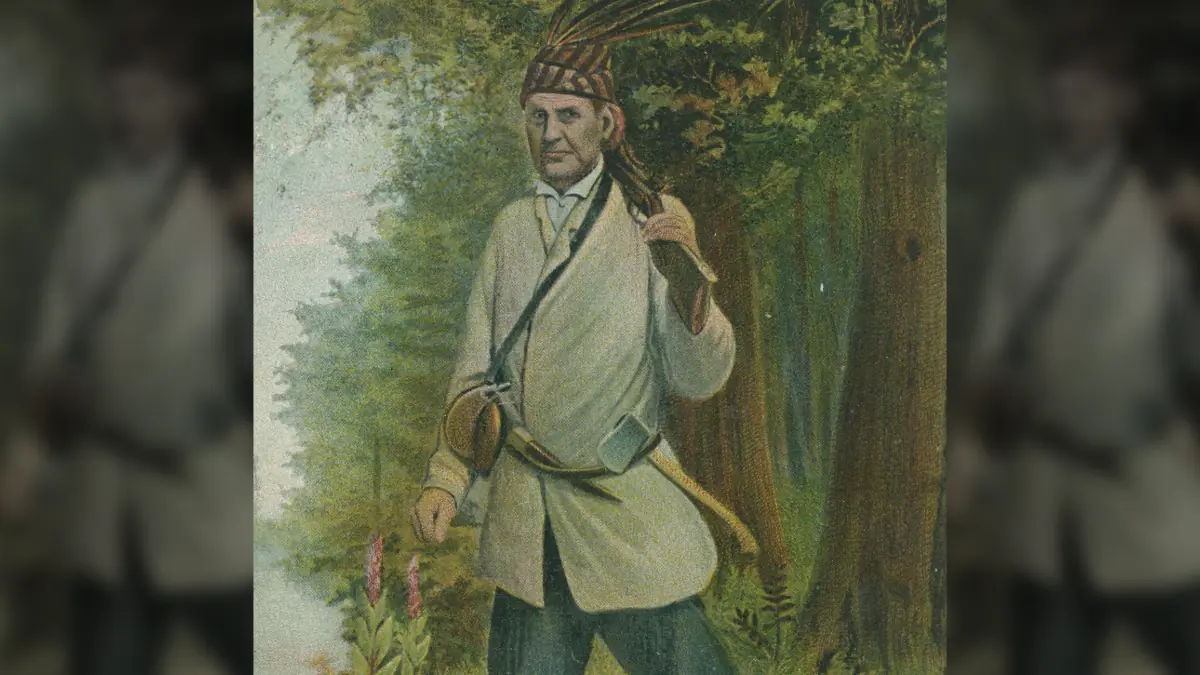
Peter Navarre was a fur trader, just like his cousin. He spoke French mostly, enough Potawatomi to make deals, and just English to get by. His territory included the lands that would become northwest Ohio and northeast Indiana.
In 1807 — more than a decade before Pierre settled on the St. Joseph River — Peter put down roots and built a cabin on the Maumee, and he is generally recognized as the first European-descended settler in the place that would become Toledo.
Whatever predisposition a person needs to become an originating pioneer must have run extra in the genes.
Peter Navarre became a hero during the War of 1812, serving as a scout for General William Henry Harrison, and the legend of his woodcraft was told with reverence by men on both sides of the conflict.
He lived to see General Harrison become President. He lived to see Ohio, Indiana, and Michigan all become states. He lived through the beginning and the end of the Civil War. He died in 1874 and is buried near the Maumee River in Toledo.

The cabin in Toledo isn't the original one. That one's been gone for a long time. Instead, the Toledo Cabin dates to the 1860s, built by Peter's son for his aging father. That cabin has been dismantled and moved more than once, to Navarre Park, to the zoo, and then to the botanical gardens where it anchors a reconstructed pioneer village that Peter never lived in.
That means that the Navarre Cabin in South Bend is at least 35 years older, but somehow, it's not even close to being the oldest Navarre Cabin in the Midwest.
That's because there's another one in Monroe, Michigan; built by Peter's dad and Pierre's uncle. That building has been there since 1789 and is recognized as the oldest surviving wooden residence in the entire state of Michigan. Like the other cabins, it exists as a historical exhibit, and it doesn't stand in the place where it was built.
Three men, three states, three cabins that are 600 years old between them. Somewhere along the line, showing up first became the family business. And just like the men who built them, the cabins have stubbornly refused to stay in one place and more stubbornly refused to be forgotten.